
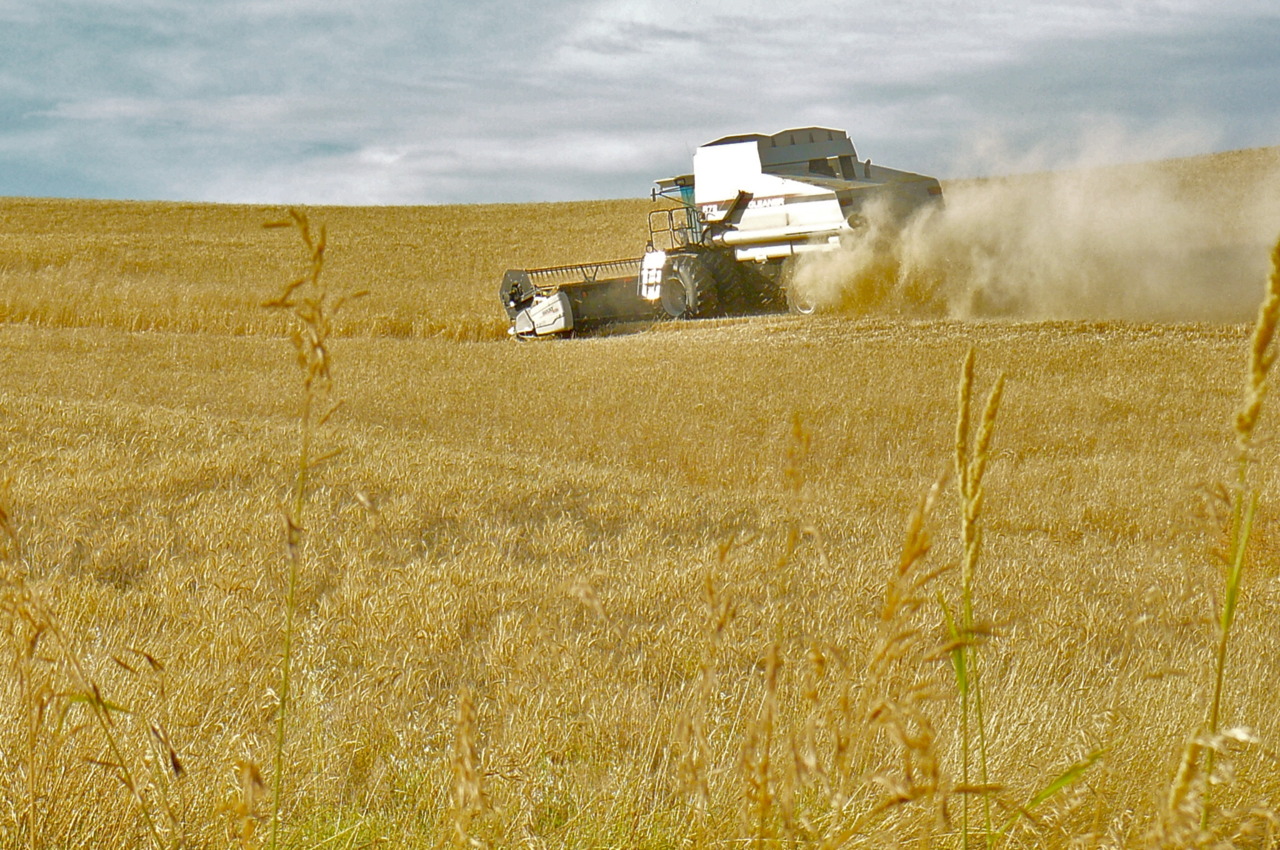
Combine harvesting during suppertime.
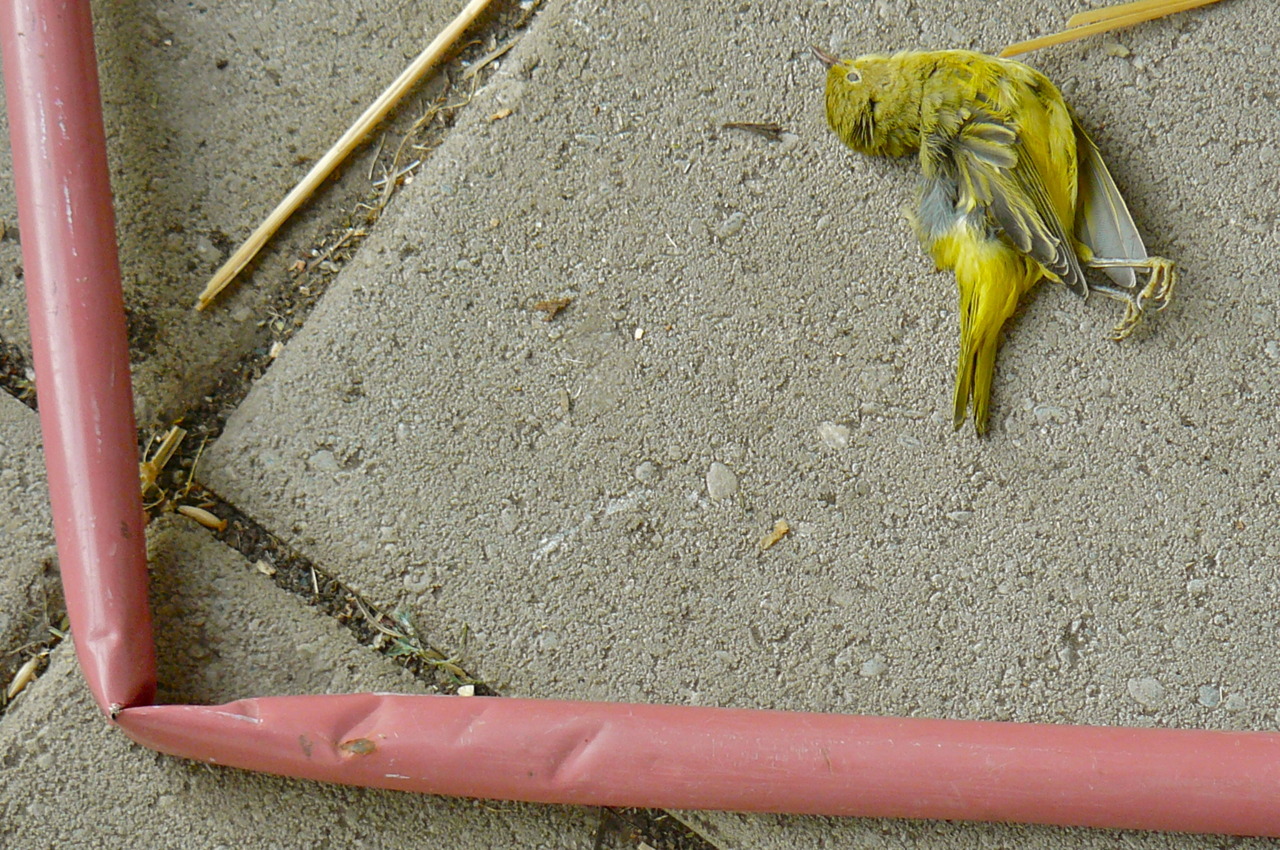

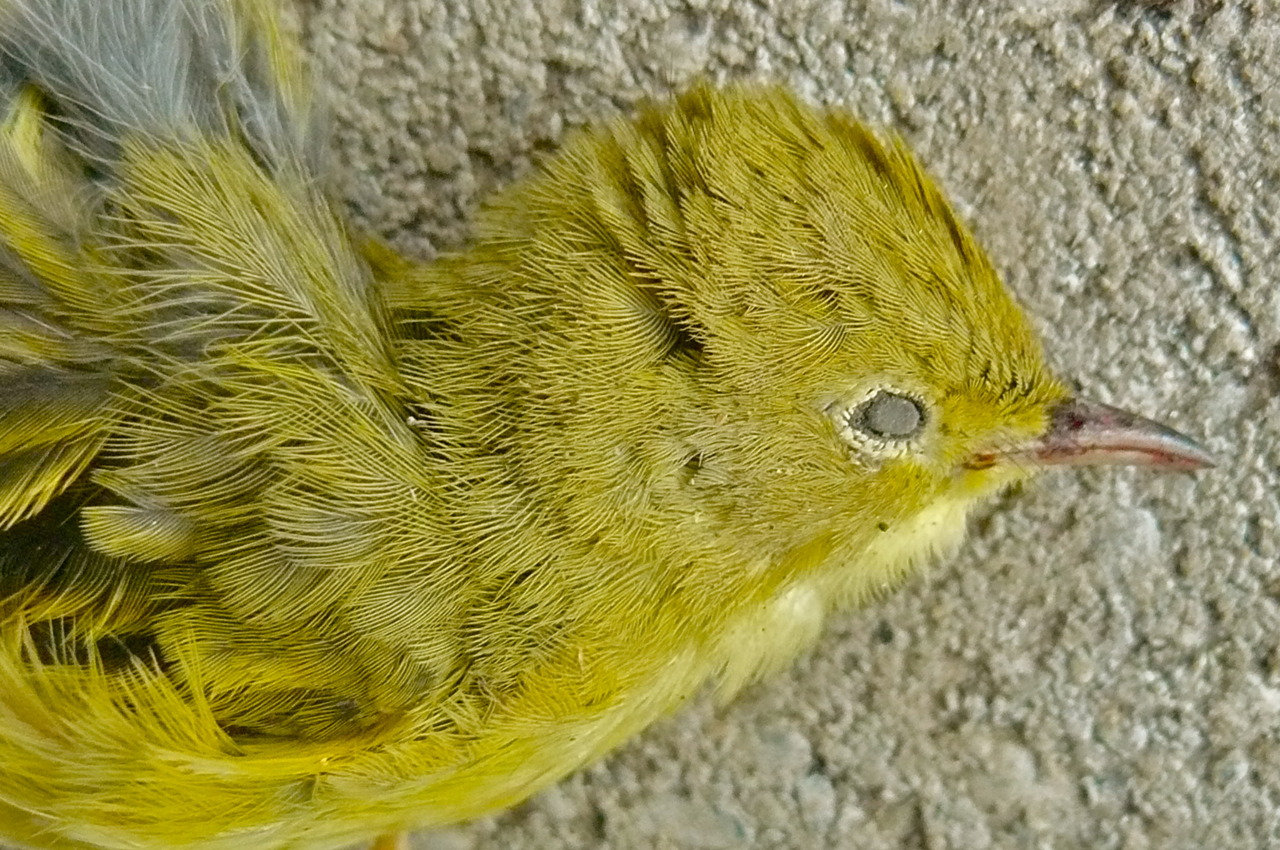
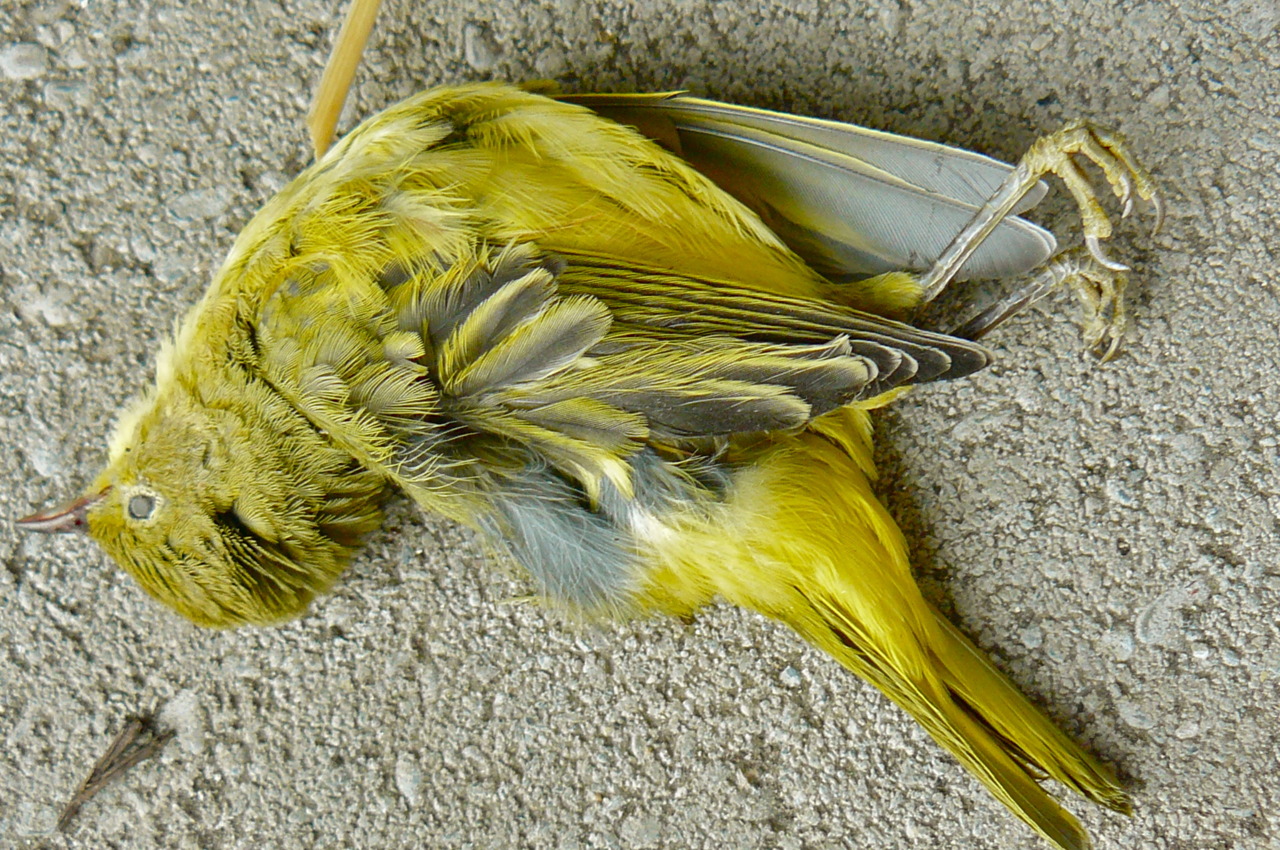
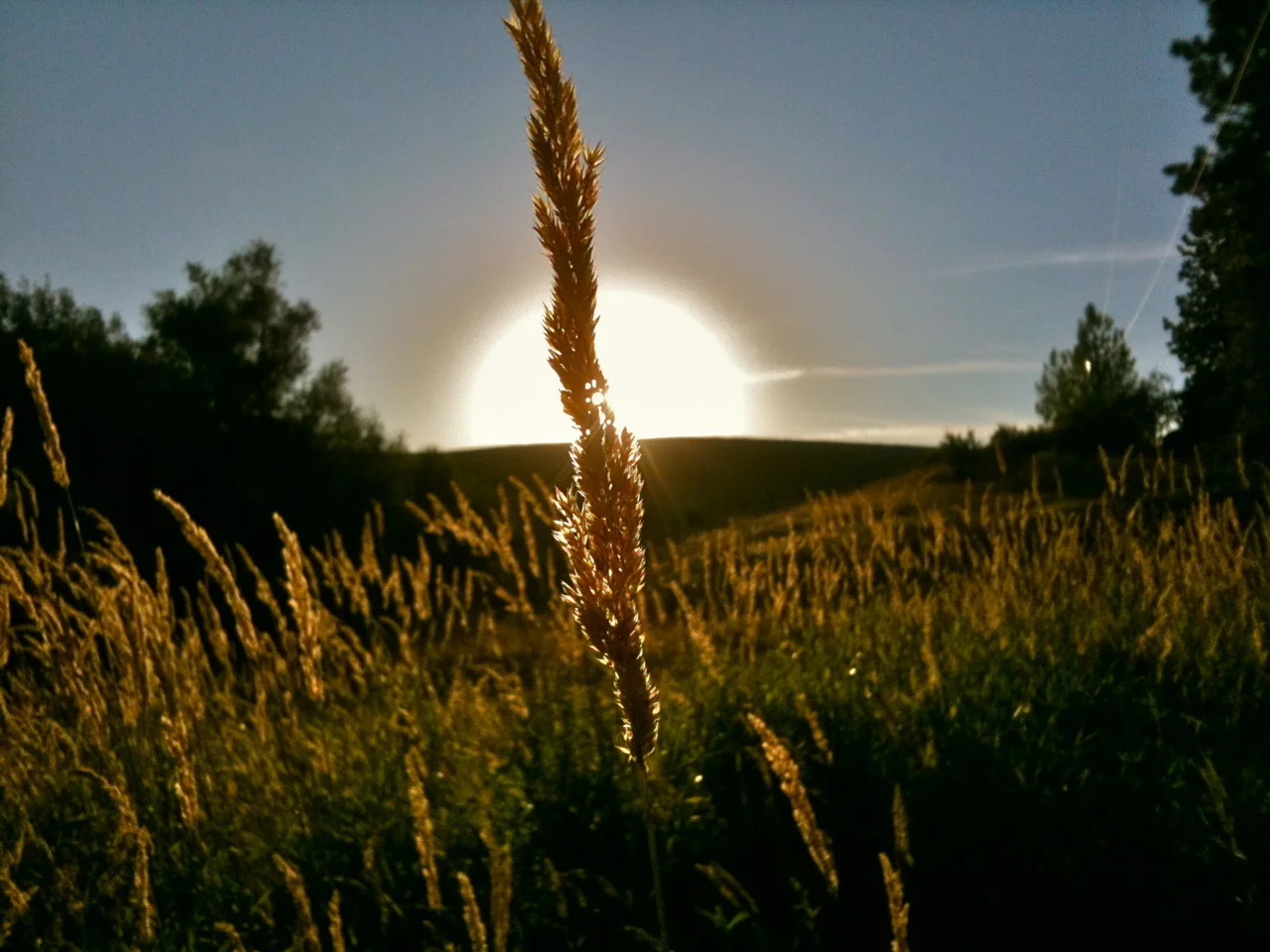
Canary grass.
“I hear nature calling,” Dode was now excusing himself. He headed off not toward the timber, though, but to a rock outcropping about forty yards away, roughly as big as a one-story house. When Dode climbed up onto that I figured I had misunderstood his mission; he evidently was clambering up there to look along the mountain and check on Pat’s progress with the sheep.
But no, he proceeded to do that and the other too, gazing off up the mountain slope as he unbuttoned and peed.
Do you know, even as I say this again I see Dode in every particular. His left hand resting on his hip and the arm and elbow kinked out like the handle on a coffee cup. His hat tilted back at an inquiring angle. He looked composed as a statue up there, if you can imagine stone straddled out in commemoration of that particular human function.
My father and I grinned until our faces almost split. “There is only one Dode,” he said. Then he cupped his hands and called out in a concerned tone: “Dode, I hope you’ve got a good foothold up there. Because you sure don’t have all that much of a handhold.”
“The thing I hate the most about advertising is that it attracts all the bright, creative and ambitious young people, leaving us mainly with the slow and self-obsessed to become our artists. Modern art is a disaster area. Never in the field of human history has so much been used by so many to say so little.”
This song distills everything I remember from growing up with New York rock radio playing in the background—Dylan, The Boss, Tom Petty, a hundred other bands I never learned the names of. It’s from the upcoming—and really effin' terrific—Slave Ambient. You can nab this song here (and another SA track, “Come to the City”, here).
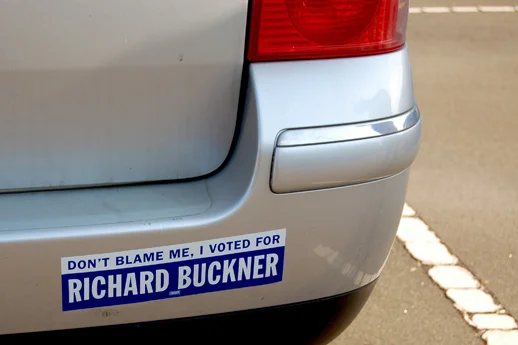
So, Richard Buckner once duetted with Neko Case on a Howe Gelb side project called “The Band of Blacky Ranchette”. Thanks to the Richard Buckner Preservation Society, I now know about this.
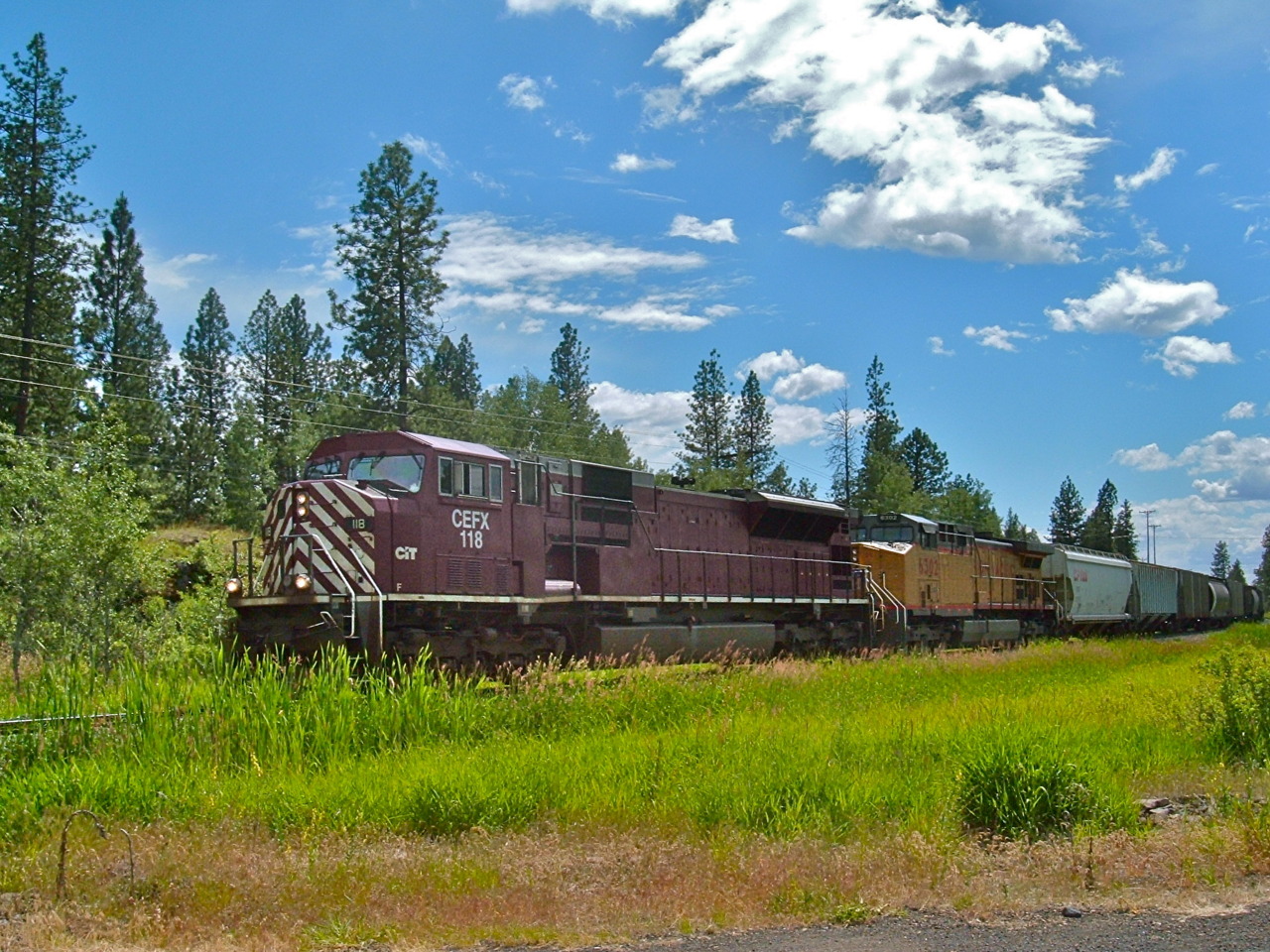
Northbound Union Pacific general freight, Cheney, Washington.

Union Pacific coal train, Cozad, Nebraska.

David Plowden, Doremus Avenue.
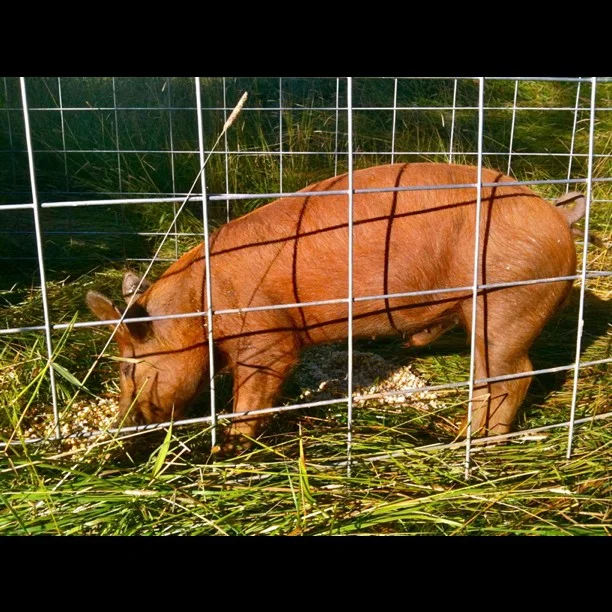
“…but as Becker says, “Food isn’t just a pile of stuff to be measured by weight and volume, and there’s a reason industrially produced meat is just a little more expensive than garbage.””

Tractor at rest at Rheingans Farms during unseasonable weather in July, Latah County, Idaho.
“The problem is that many larger corporations fail to give employees any sense of being part of a larger whole, and this is especially true when the employee’s employment is precarious. How is a worker supposed to experience the social satisfactions of labor when he’s never sure if he’ll be part of the team for the next project? It is like being in Egypt; it is like bricks without straw, labor without Sabbath.”
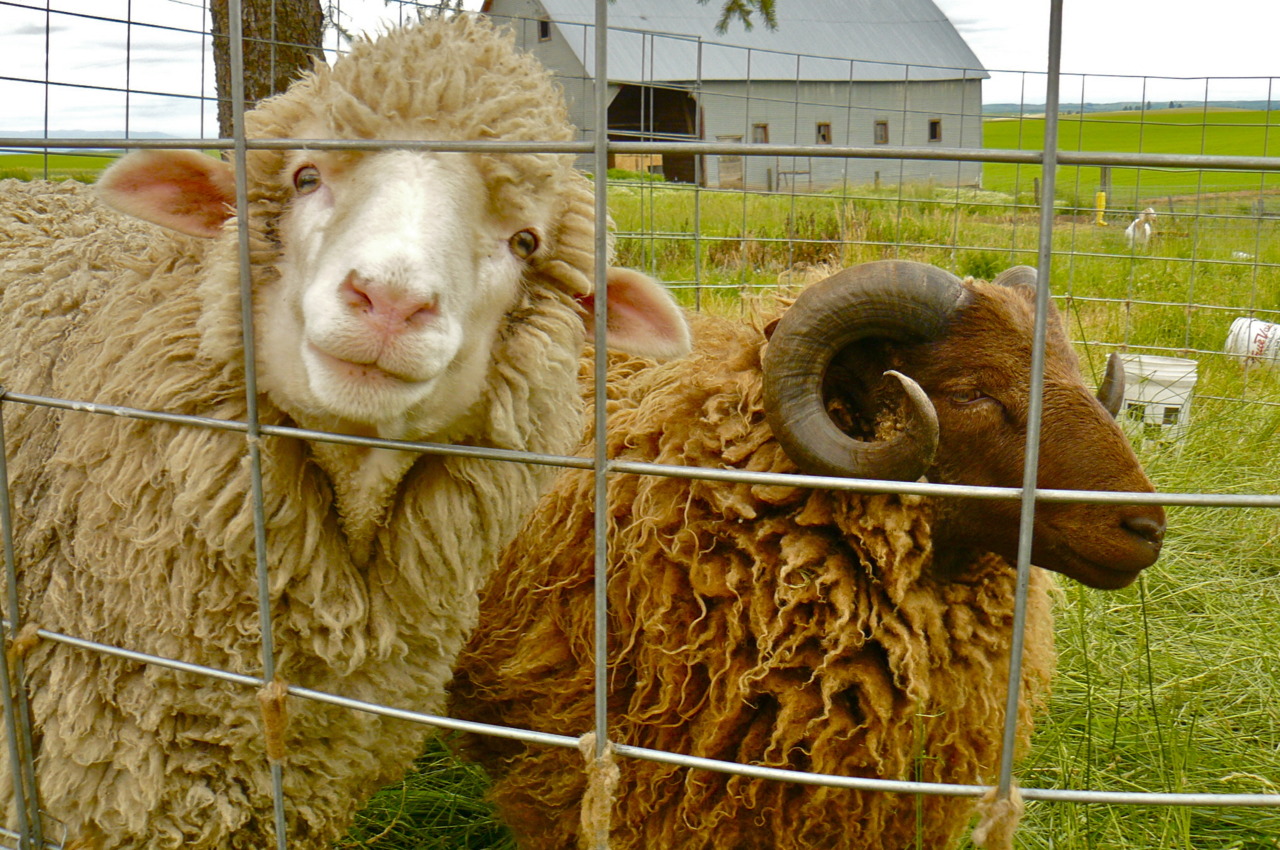
Cover photo for my pastoral death-metal record.
David Byrne sing-speaks as a man who finds out that his American Dream turns out to be some kind of, well, dream. Brian Eno pushes the band, the studio an instrument, the music as liquid as Byrne’s refrain, “water dissolving, water removing”. The rhythm section is unbelievably, impossibly tight. I’m not sure any other band—including subsequent Talking Heads—has even tried to sound like this since then (1980); I often feel like Remain in Light is one of rock'n'roll’s otherwise unattainable heights.
“If you kill every usurer, every forestaller, every adulterater, every user of false weights, every fixer of false boundaries, every land-thief, every water-thief, you afterwards discover by a strange indirect miracle, or disconnected truth from heaven, that you have no millionaires.”
Farmstead Meatsmith's Kickstarter Project →
The Farmstead Meatsmith is comprised of a young family that does hog butchery, charcuterie, and consulting on Vashon Island in the Puget Sound. They’re trying to put together some free videos on these subjects because they believe this stuff is worth knowing. Free videos cost someone money, however, so they’re trying to offset the cost via Kickstarter. Take a look and kick ‘em a few dollars, won’t you?
“I am describing—or at least attempting to describe—at least two facts of human existence that I’m going to go ahead and call “mysteries.” One is that our attachment to certain objects, or objects of a certain kind or category, suggests at least this much about us: we are a species that craves presence. The other is that to us an object is never merely an object. It is always itself plus something else.”