I don’t know, man. This song is too good.
“We lost our oldest child, our daughter Anna, suddenly in April 2008 at the age of 27; our other three daughters and three sons lost their beloved sister. Two months later, a longtime, long-distance friend of my husband was visiting us. As we sat together on our screened porch after dinner, he confided that he had been so shocked when he first received the news of Anna’s death in an accident halfway around the world that he almost didn’t respond at all. What immobilized him initially was the unimaginable thought of such harm coming to his own oldest daughter.
But he had gathered himself up and sent an eloquent letter to us, accompanied by one of the most beautifully specific gifts we have ever received – a gift rich with profound meaning. We were so moved at the time; even now, this powerful symbol and the thin stuff of words never fails to bring comfort and provide a window into that greater life. “What if,” I mused with him that evening, “you had kept silent? What part of us might not have mended, or been carried even for that day?” I know that my husband and I have survived the pressing weight of this profound grief in large part because of the grace of God conveyed through those who have gracefully moved toward us and chosen to sit alongside us.
How much grace do we withhold when we hold back? How much more might this suffering soul, this wounded Body, this broken world be healed if we who belong to Christ would simply move toward instead of holding back, or even retreating, in the face of anguish? How often do we respond not in any sort of “fullness of time,” but only at our convenience, restrained by our measured degree of comfort, if at all? Sometimes I wish He didn’t trust us so much. Sometimes I wish He didn’t entrust us with so much.
”
“The desert he rode was red and red the dust he raised, the small dust that powdered the legs of the horse he rode, the horse he led.”
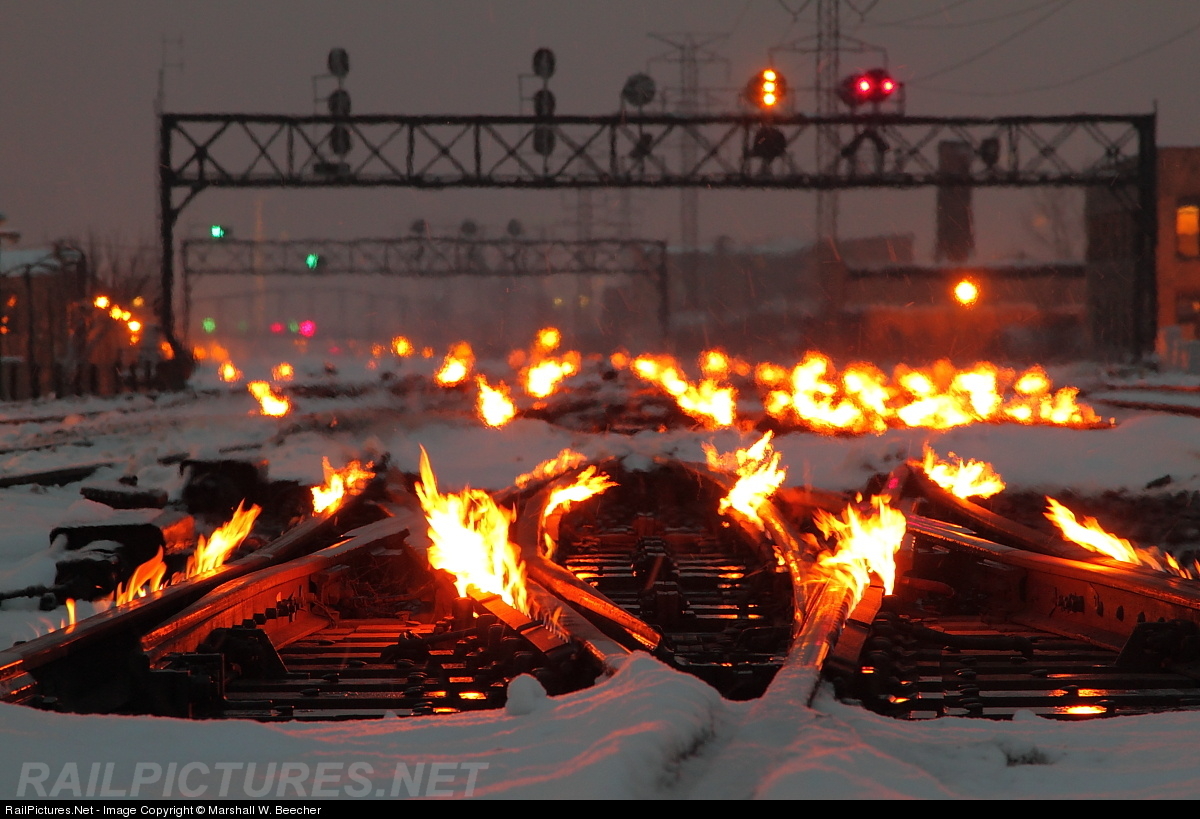
Keeping the switches clear of ice in Chicago. Marshall W. Beecher, found here.
“EXPERIENCE in carpenter work need not be extensive in order to build an open-front poultry house. Anyone who has any aptness for learning how to handle tools can soon master the essentials of house building—and will not find the work of construction very difficult.
Right here, in Plymouth County, Massachusetts, two city girls have started in the “poultry business and are making a success of it. They had had no experience with poultry or in carpenter work, but they determined to build their own poultry houses and they did it and did it well. If two inexperienced city girls can frame, board in, and shingle a building and make a good job of it, others can certainly learn to do it and the man or well grown boy who thinks that he can’t, ought to brace up and try.
”

Dead skunk, Arroyo Grande, CA.

Latah County Grain Growers, Moscow, Idaho, around 11 AM on Christmas Eve, 2013.
Thus says Yahweh:
“A voice was heard in Ramah,
Lamentation and bitter weeping,
Rachel weeping for her children,
Refusing to be comforted for her children,
Because they are no more.”
Thus says Yahweh:
“Refrain your voice from weeping,
And your eyes from tears;
For your work shall be rewarded, says Yahweh,
And they shall come back from the land of the enemy.
There is hope in your future, says Yahweh,
That your children shall come back to their own border.


Passenger trains once ran between Lewiston, ID and Spokane, WA. From one Bruce Butler, who lensed them as they passed through Pullman. The black & white photo caught the last run of the RPO-equipped, GP9-powered train at the long-gone Pullman depot; the color photo shows the RDC ambling towards Moscow immediately south of Pullman. The road cut in the background of the color image is still there, as is the little bridge under the RDC; WSU is in the background. This area has been extensively developed in the past fifteen years and the passenger trains, of course, are long gone.


Washtucna, Washington
Bronica ETRS & Kodak Ektar
The town’s website says that it’s a safe, quiet place to raise your family. They boast an annual, classic car show and Washtucna stands as the gateway to Palouse Falls. Plus there’s a gas station/coffee shop/gift shop and a tavern.
2012
“But even more difficult, our age’s individualism greatly decreases a farm’s chance of long-term success. In historical America, the farm was a family-run enterprise. It was more of a generational lifestyle than a “full-time job.” Land was a highly coveted commodity, and a farmer’s children were expected to carry on the work after their father or mother was too tired or old to continue.
But today, children are no longer expected—nor are they usually encouraged—to follow in their parents’ footsteps. Children are not, modernism tells us, to be saddled with the burdens of their forbears. What does this mean for modern farmers? Simply that, unless one of their children takes a liking to the tedium of farm work, today’s agrarians are on their own. They must conjure up a successful, fruitful farm in their few decades of limber life, or else content themselves with a frugal, arduous future.
”




americanguide, from j-appleseed:
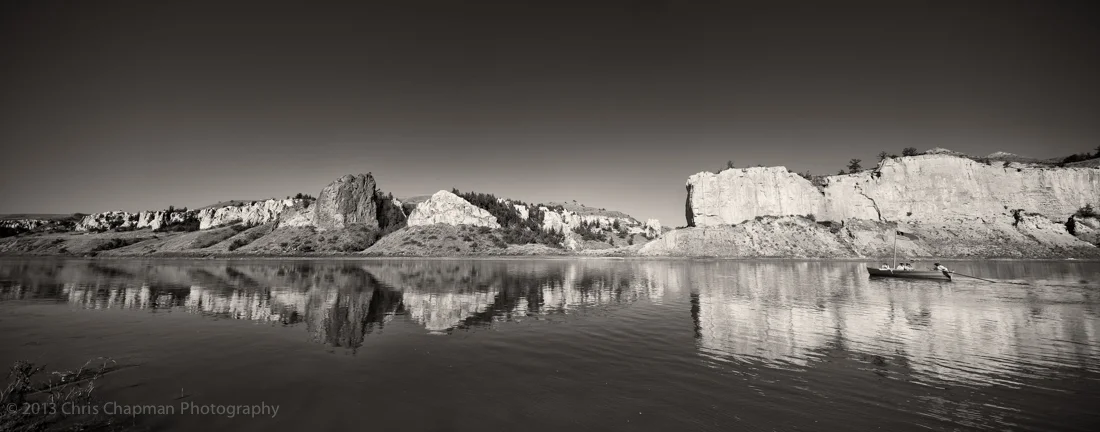
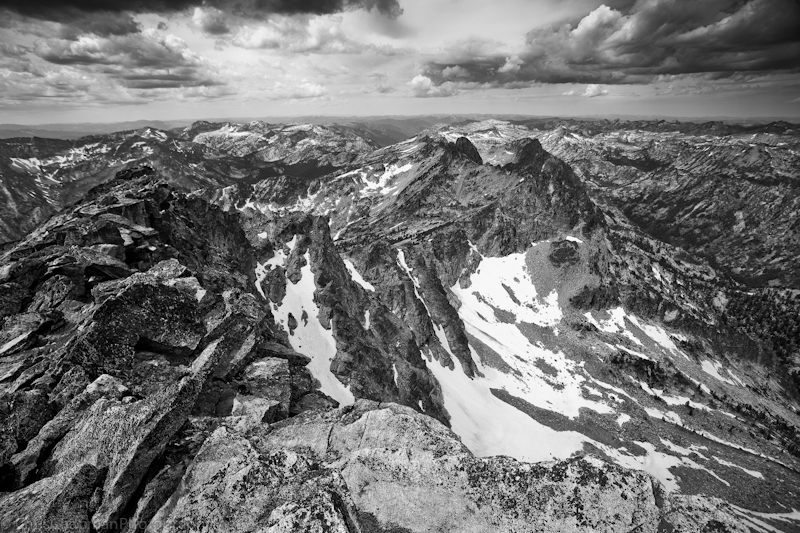
BEAR’S PAW MOUNTAINS & THE NATIONAL HISTORIC NEZ PERCE TRAIL - NORTHERN MONTANA
What is in a landscape—the wind, the cold, the memory of footsteps, buried relics and remains, the entirety of the past and of the future—is all that is remembered and all that is lost.
In September of 1805 Lewis and Clark crossed into Nez Perce country. The Nez Perce debated whether to attack the the Corps of Discovery or to assist them. When a female elder urged her people to do them no harm, the expedition was welcomed. Seventy-two years later they were on the run, out of peaceful options for their removal to the Lapwai Reservation.
The northern plains on the highline of Montana are one of the windiest and coldest places in the lower 48 states. After crossing the Missouri River in late September, 1877, some 750 Nez Perce camped at the north end of the Bear’s Paw Mountains near present day Chinook. Here the U.S. Army caught up with them for their third and final battle.
The non-treaty Nez Perce (those who had not relocated to a reservation) had fled through Idaho, Yellowstone National Park, and into Montana seeking refuge in Grandmother’s Land (Canada). They hoped to join Sitting Bull of the Lakota who on May 5th of ‘77 had done what many Americans talk about doing when the government becomes oppressive and all options are spent—headed North.
The Nez Perce were caught in three major battles and multiple skirmishes over four months on their 1,170-mile trek—the last one just 42 miles from freedom.
At Bear’s Paw on October 5, 1877, after five days of fighting, Chief Joseph surrendered to General Howard and Colonel Miles, handing over his 1866 .45 caliber Winchester.
His speech to the Generals: “Tell General Howard I know his heart. What he told me before I have in my heart. I am tired of fighting. Our chiefs are killed. Looking Glass is dead. Tu-hul-hul-sote is dead. The old men are all dead. It is the young men who say yes or no. He who led the young men [Ollokot] is dead. It is cold and we have no blankets. The little children are freezing to death. My people, some of them, have run away to the hills, and have no blankets, no food; no one knows where they are—perhaps freezing to death. I want to have time to look for my children and see how many of them I can find. Maybe I shall find them among the dead. Hear me, my chiefs. I am tired; my heart is sick and sad. From where the sun now stands I will fight no more forever.”
Chief Joseph and his band surrendered, but a smaller band of Nez Perce under White Bird did escape to Canada, still fighting other Indian tribes along the final stretch to the North.
While Joseph had negotiated a return to the reservation near their homeland for himself and several hundred other Nez Perce, they first endured a lengthy detour, including eight months of internment at Kansas’s Fort Leavenworth and years spent at a reservation in Indian Territory (now Oklahoma).
The Nez Perce were finally returned to the Pacific Northwest in 1885, but Chief Joseph and many of his people were never allowed to return to their home in Oregon’s Wallowa River Valley. Jospeh died on September 21,1904.
We tend to think of these events as ancient history, but the oldest living person right now in 2013 would have been six years old when Chief Joseph died.
To the surviving Nez Perce the Nez Perce National Historic Trail, which stretches from Wallowa Lake, Oregon to the Bear Paw Battlefield in Montana, is a sacred reminder of their journey, past and future.
Guide note: For more information on the Nez Perce National Historical Park (including the Bear Paw Battlefield), visit its National Park Service website. For more information on the Nez Perce National Historic Trail, visit its page on the Forest Service website.
* * *
Montana State Guide Chris Chapman was born and raised in the fields of Indiana, spent time in Michigan, California, Washington and Maryland, but has called Montana home since the days before it had speed limits or open container laws. Now married with two young kids, he documents family friendly adventures: canoeing, fly fishing, hunting, hiking and camping, throughout the state. Chris’ Tumblr home is j-appleseed.tumblr.com. His other web home is ChrisChapmanPhotography.net.

Of all the things I never thought I’d see in Marshall, Washington…
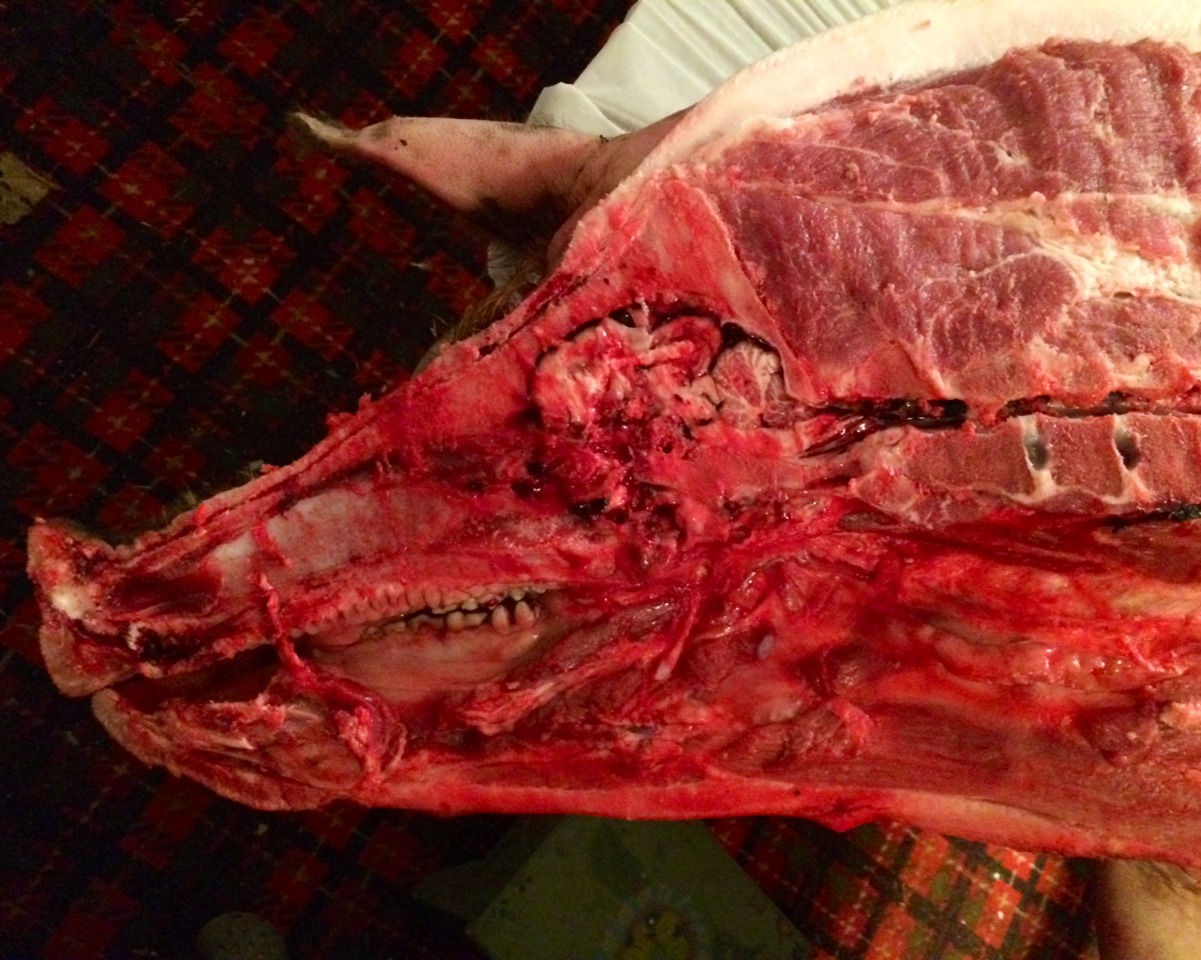
Just before butchering.




Swinging southeast, State 3 winds around the slopes of low hills that are cultivated to their very summits. On every hand is evidence of the stability of agriculture in this region: except for an occasional splash of yellow-blooming mustard, the fields are almost free of weeds; houses, barns, and outbuildings are neat and substantial; fence posts are erect and securely set and the strands of barbed wire are taut; new automobiles and trucks are seen very frequently.
Washington: A Guide to the Evergreen State (1941)
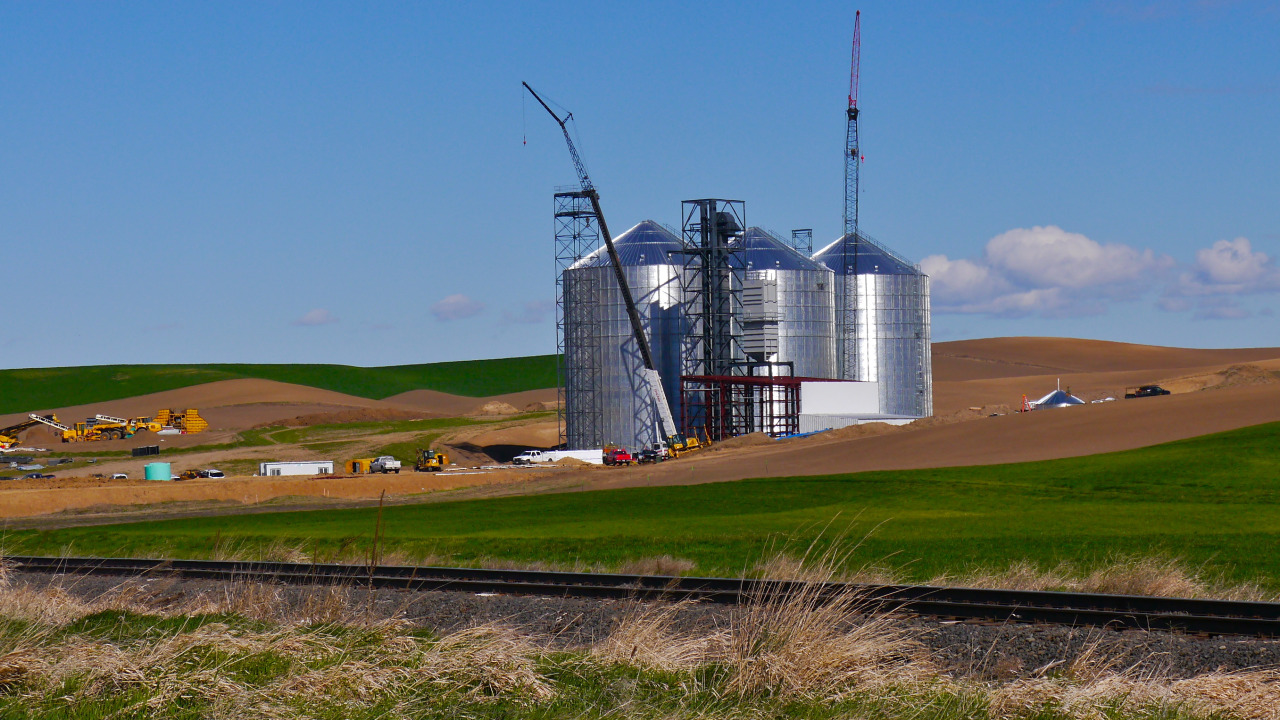
McCoy, Washington, is a spot on Highway 271 (formerly State 3) between Oakesdale and Rosalia in Whitman County. The hills are still cultivated to their very summits, but the machine agriculture that dominates the Palouse has all but obviated the need for barns, outbuildings, fence posts, and barbed wire.
Looming over the hills on Naff Ridge, just to the south of 271, are the swirling blades and austere white towers of the Palouse Hills Wind Project. The wind is converted into electricity that’s sold elsewhere; the local grid is still mostly powered by hydro-power from the Snake and Columbia rivers.
At McCoy, the tall, boxy, aluminum-clad 1940’s-era grain elevator stands within sight of the new McCoy Grain Terminal. Grain from all over the Palouse is trucked to the Terminal, where it is then dumped into 110-car unit grain trains destined for Portland, Longview, Kalama, Tacoma, and other Northwest ports. There, the crop is transfered to the holds of ships bound for Asia. Their work thus exported, the locals stock their pantries with food grown elsewhere down at Crossett’s Food Market in Oakesdale.
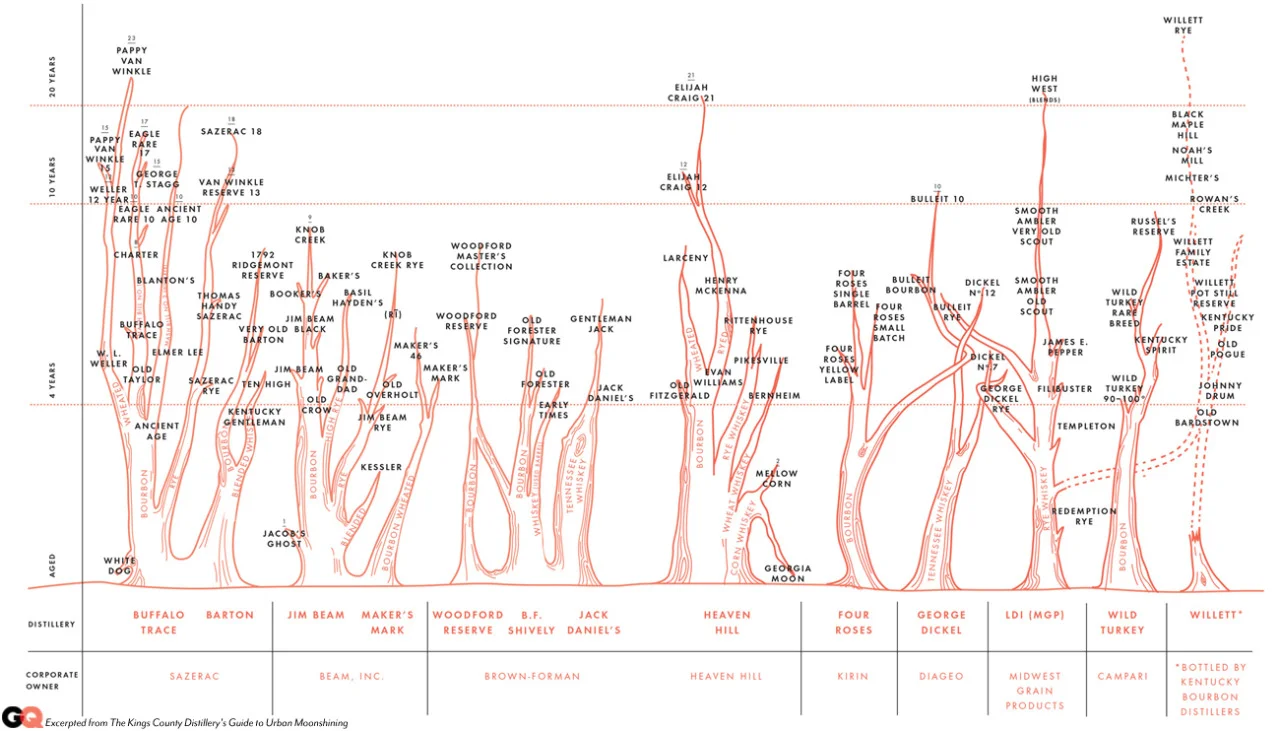

Taken by one Christine Tharp. Greybull, WY.
For Adam and Cat, and Toby and Jenny. The peace of the Lord be with you.


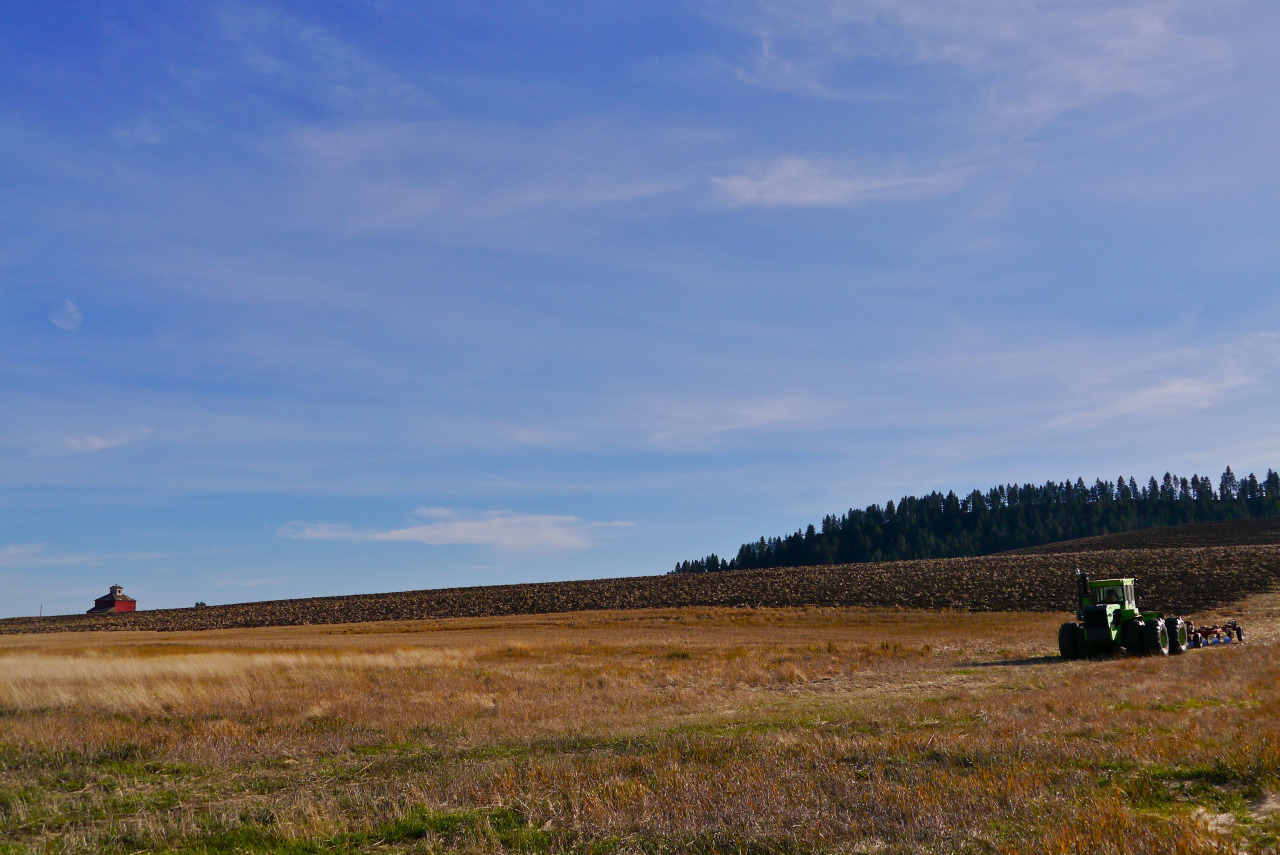

Barn and tractor near Kamiak Butte, Whitman County, Washington. Early October, 2013.