Sr. Grace Remington, OCSO, “Mary and Eve” (2005)
(via wesleyhill)
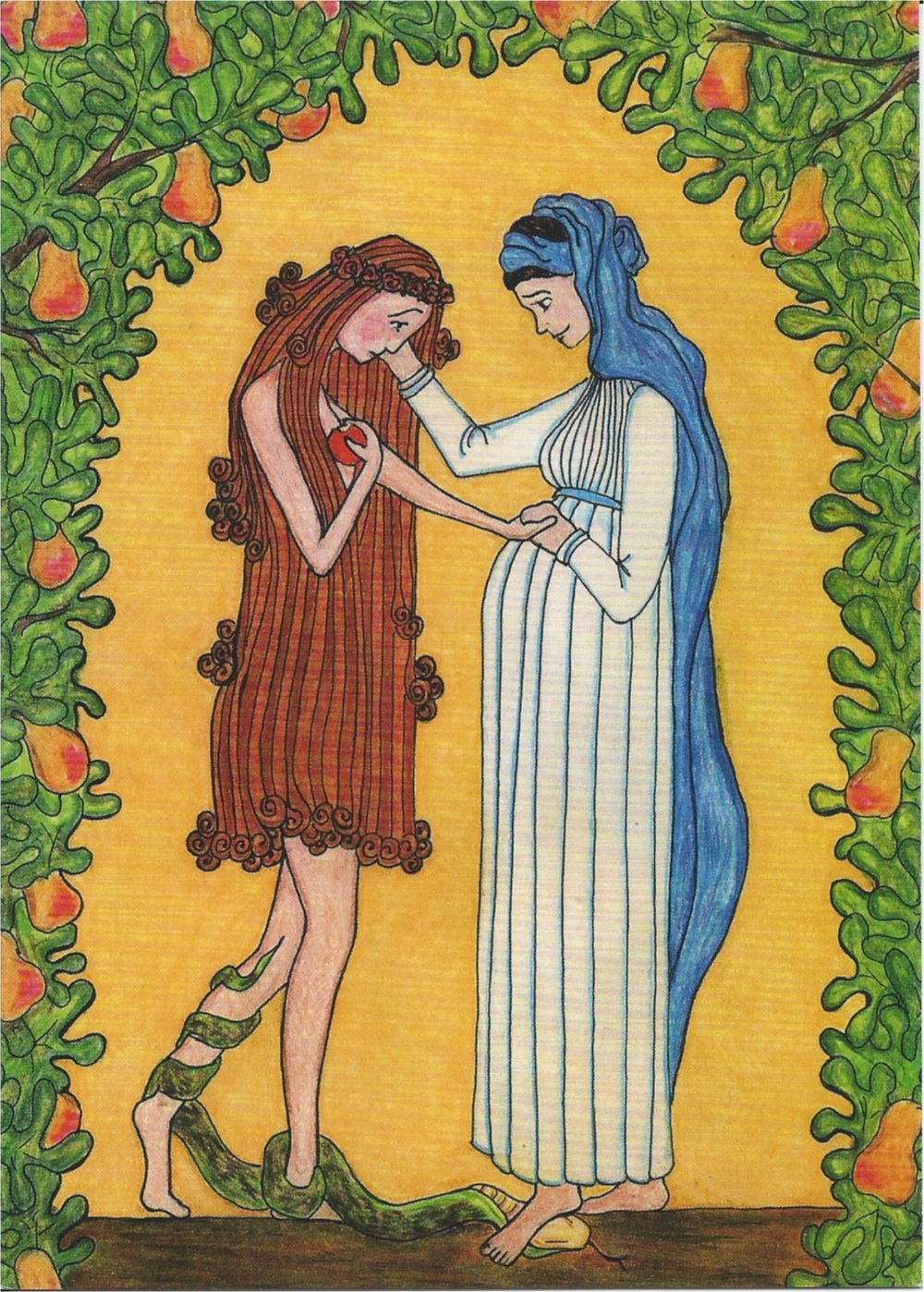
Sr. Grace Remington, OCSO, “Mary and Eve” (2005)
(via wesleyhill)


I worked for years as a land surveyor in the Pacific Northwest, and so had to read a lot of deeds and real estate covenants and so forth. While the Northwest never had segregated bathrooms or the like, it doesn’t take long to run into a CC&R document—covenants, conditions, and restrictions on the use of a parcel of land—stipulating that the property in question never be sold to non-whites. Sometimes the document would simply say non-whites; sometimes it would get real specific (one enumerated every Asian race the document writer could think of); sometimes they employed poetic repetition to get the point across (no Negroes, Blacks, or Niggers). You can find such documents written as recently as the 1950’s and even, so I’ve heard, the 1960’s. A history professor I know tells me of reams of similar documents he’s seen from the Seattle-Tacoma area.
This kind of racism, institutionalized in real estate documents—in the Pacific Northwest. It was common throughout the northern tiers of the U.S. My father-in-law grew up in Chicago, and first saw segregated bathrooms on a road trip down South with his father. He was appalled and told his father. His father shook his head and said, “At least they have bathrooms down here. That’s because everyone’s mixed in down here. Up in Chicago, they just keep them separated, and they don’t give them anything." This dynamic was at play when men like Robert Moses demolished neighborhoods and communities in New York City (my boyhood home) to make way for expressways that created hellholes like the South Bronx. Keeping blacks out of certain neighborhoods forced them into others in a systemic, deliberate way.
So, of course black-on-black crime constitutes the majority of black murders, rapes, assaults, and robberies. We’ve worked diligently for decades to shove them together into the same neighborhoods away from the rest of us. When someone in the conservative circles I frequent trots out the black-on-black adages (and dammit, there’s been a lot of that lately), it reminds me of when I hear someone go on about Martin Luther King Jr’s. theological liberalism: How can we hold that against him when none of the conservative seminaries would admit him because of his skin color?
I think we in our circles use the sad epidemics of black fatherlessness, crime, and social breakdown as comforting bromides when something like Ferguson happens. "The issue isn’t white cops shooting black men, it’s black-on-black crime." Or "I saw a black guy on Fox News who got an education and decries the rioting. Why can’t these other guys get an education?" Or, "The only solution here is the gospel to deal with the individual sins of gang-bangers and deadbeat fathers."
Statements like these comfort us because they fit neatly into a story where the sin of institutional, systemic racism doesn’t exist, and so doesn’t have to be confronted. We decry the sins of gang-bangers and deadbeat dads because those don’t implicate us.
I say none of this in support of nebulous charges of white guilt or privilege or whatever the liberals' sin du jour is. Decrying vague, undefined sins—and accusing people of committing them—is, at best, demonic. What I’ve said here may tread perilously close to that in some people’s minds. So let me be clear: Toby Sumpter nails it when he writes that, ”…systemic issues… should be the kind of issues that can be named, defined, and repented of. The devil loves vague guilt, vague accusations, vague condemnation because then you can never be sure you’ve actually repented, actually been forgiven, actually been reconciled.“
I just don’t think we’re in any position to bring the gospel to bear without acknowledging that Ferguson is the latest, most prominent expression of a social evil, deeply embedded in this nation, that is an offense to God and his creation. It would therefore be worthwhile for the church to start naming these sins (and I believe them to be name-able), to develop the vocabulary necessary to protest them, and to articulate what repentance looks like.
For just as culturally- and judicially-sanctioned abortion denies the imago dei of murdered children, so, too, do malignant stipulations in a real estate deed deny the imago dei of whole swaths of humanity.

Wallace Grain & Pea Company, late November, 2014.

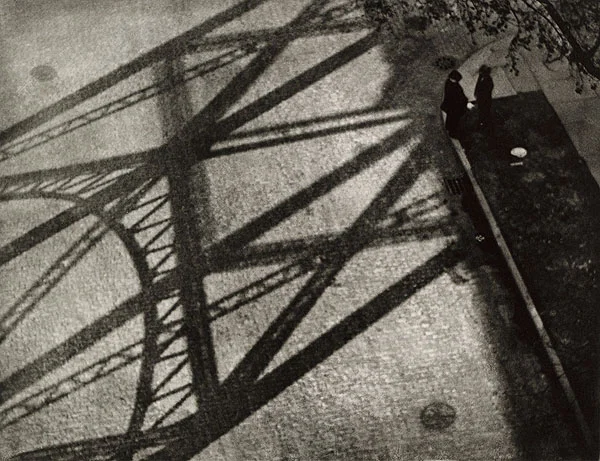
Fred Lyon and Paul Strand.

Rembrandt’s drawing of a child learning to walk
David Hockney, on why it’s his favorite drawing:
There’s a drawing by Rembrandt, I think it’s the greatest drawing ever done. It’s in the British Museum and it’s of a family teaching a child to walk, so it’s a universal thing, everybody has experienced this or seen it happen. Everybody. I used to print out Rembrandt drawings big and give them to people and say: “If you find a better drawing send it to me.”
And::
“I used to say to people, ‘I have a reproduction of the best drawing ever made in my pocket’ and I would pull it out and I would convince them, within a minute, that it was the best. It is a Rembrant from the British Museum of a little family teaching a little girl to walk. Everybody at home has a picture like that. The Rembrant, for me, tells me about who you are. I’m looking at the marks and I can feel his arm. That wouldn’t be possible with a photograph – it would be a performance. Rembrant was not intervening in any way, meaning it is the greatest work of art. You don’t see it at first. It is a virtuoso drawing but it doesn’t shout out.”
When I look at these marks, I know a Chinese master of the seventeenth century would recognise instantly that this drawing was the work of a master. Very few people could get near this… The tenderness this drawing shows is not possible with photography.
There is a genre of writing to which I am particularly devoted, but whose name I do not know. I can only give examples. I think it may have been invented by William Hazlitt, in “The Fight”. Another wonderful instance is Joan Didion’s “Slouching Towards Bethlehem” — the essay, not the book that…






Oakesdale skyline.
Oakesdale, Whitman County, WA, November 2013.
I had to pick five favorites:

Marine, Gustave Courbet, 1866. Philadelphia Museum of Art.



Wallace Grain & Pea Company, Palouse, WA, September 2014.


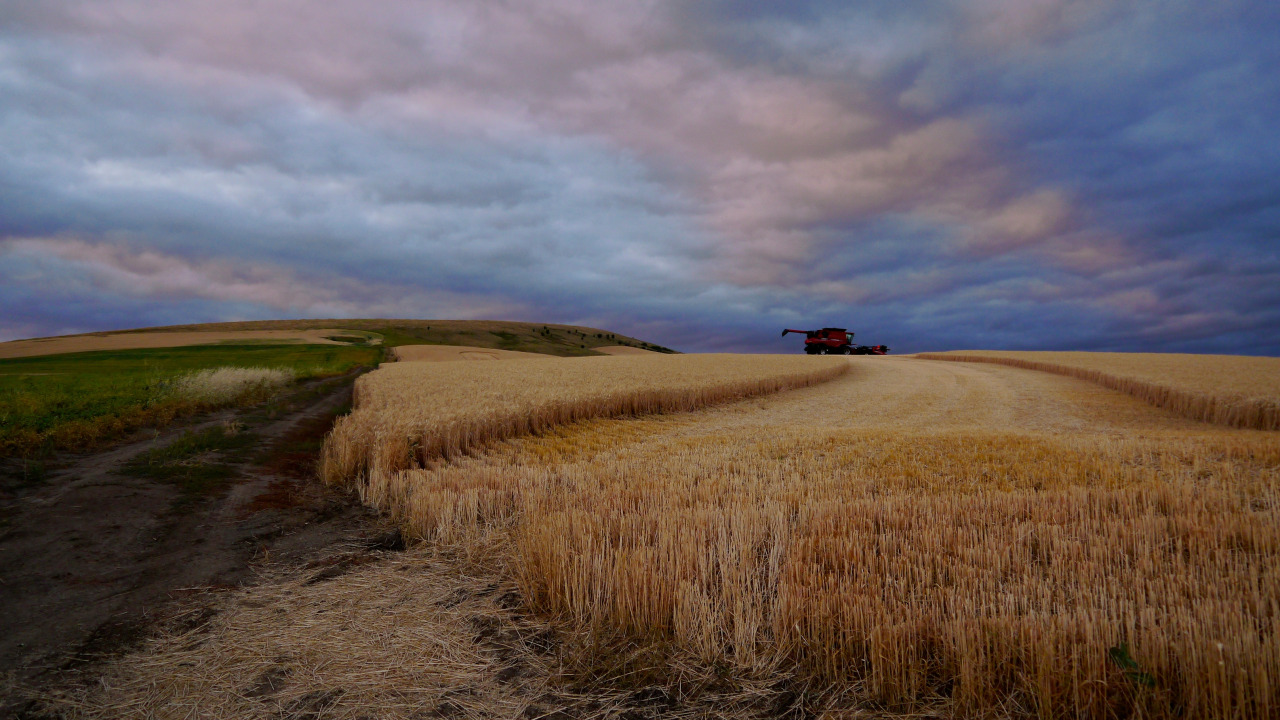


Grass, March to September.
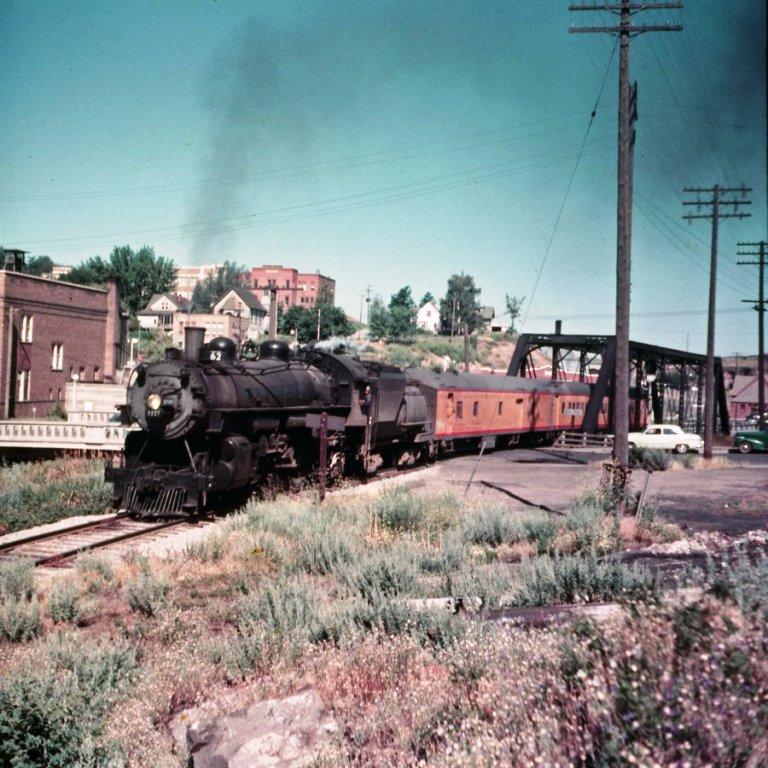
UP train 62 running from Ayer Jct WA To Moscow ID has just left the Pullman WA depot on a sunny day in 1952. Bruce Butler photo. The train is crossing Kamiaken Street.
“The best essays come from the moment in which people really need to work something out.”

Bull.

Sun dog.


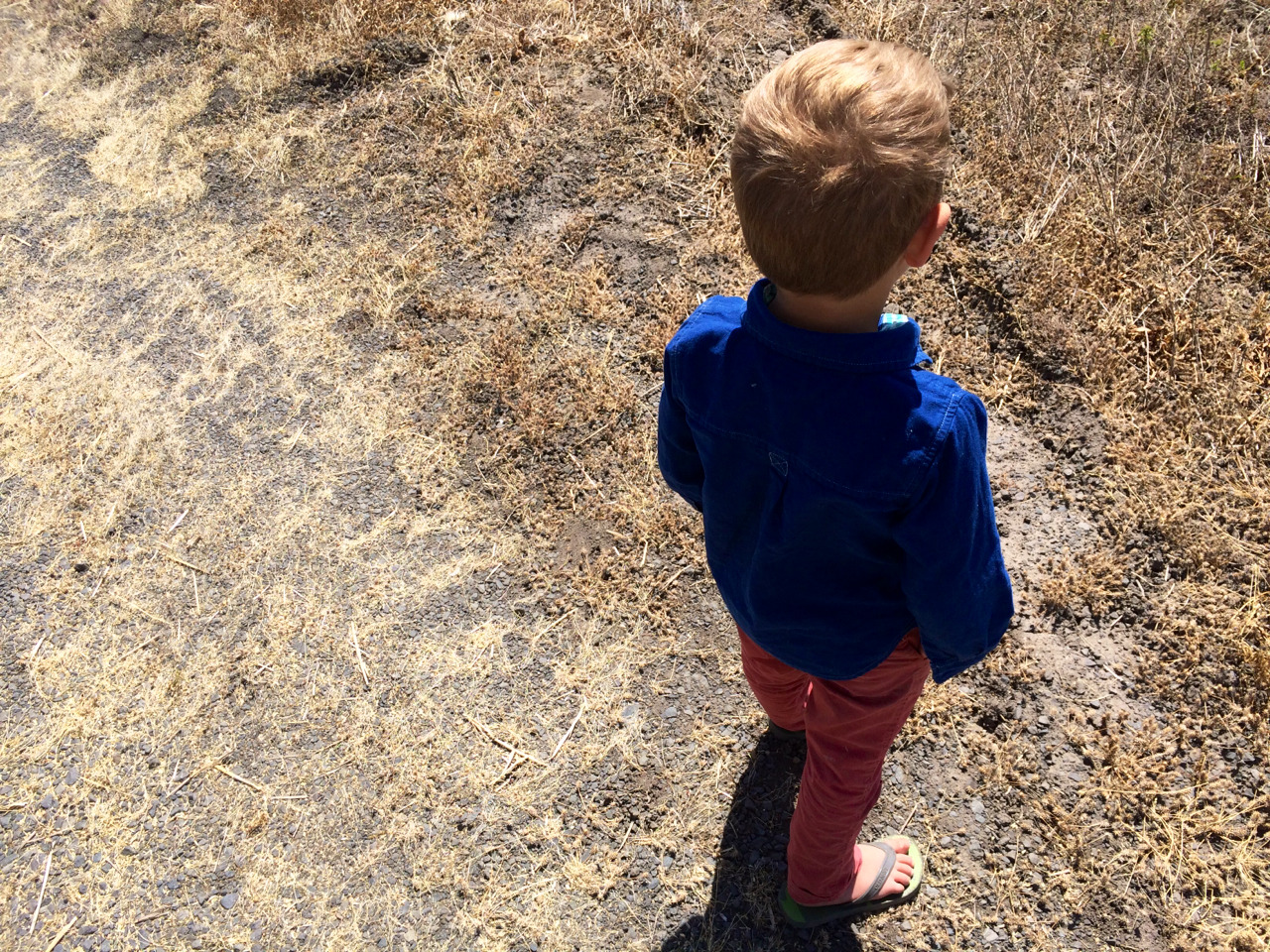

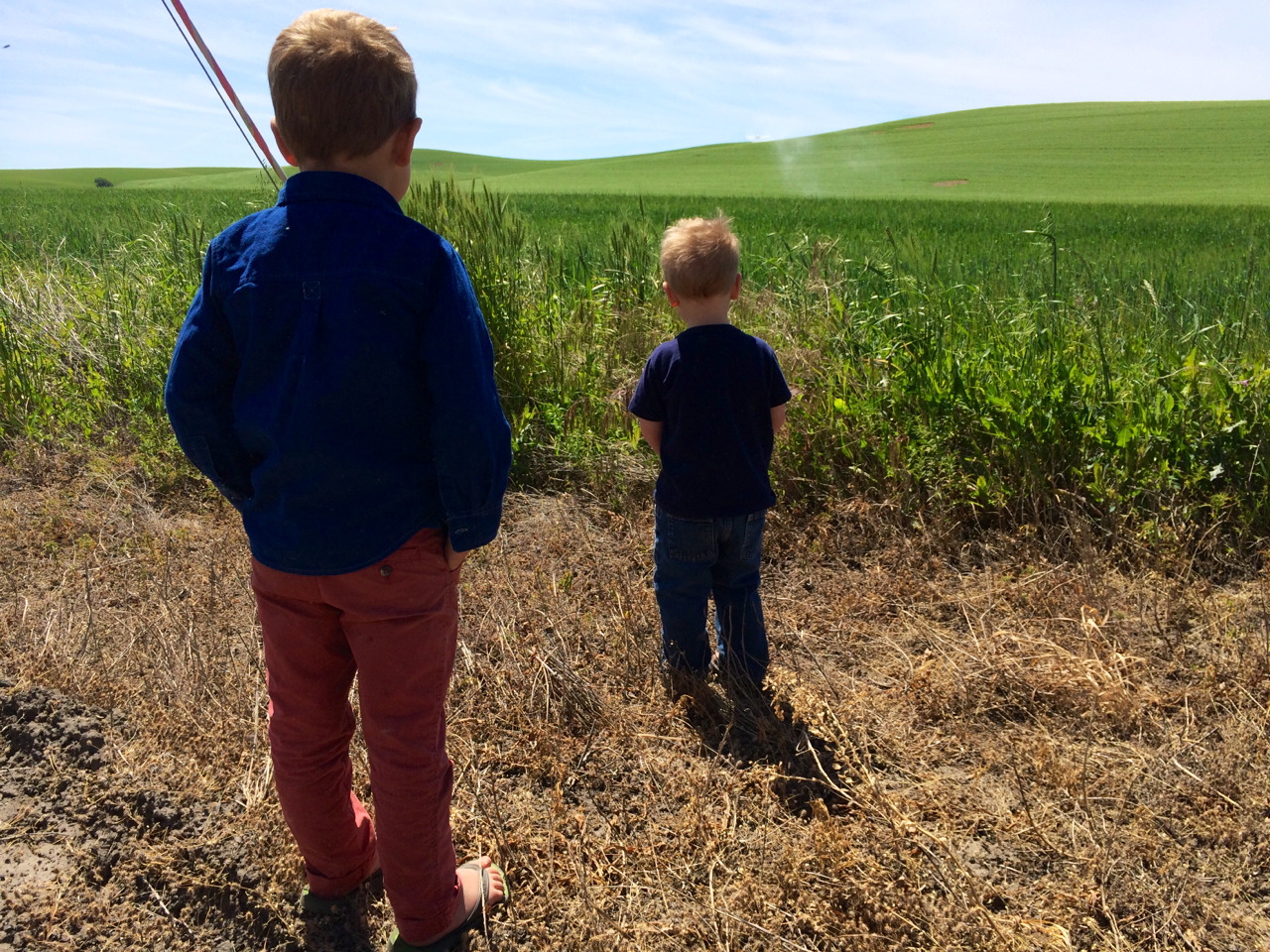

Brothers watching a crop duster, near Fallon, WA, June 2014.
Holy shit.




Garbanzos coated in bright red fertilizer, Fallon, WA, April 2014.